
Leading Foundation Stabilization Products for Safe and Sound Homes
Identify top-performing products that provide reliable support and restore your home's structural safety.
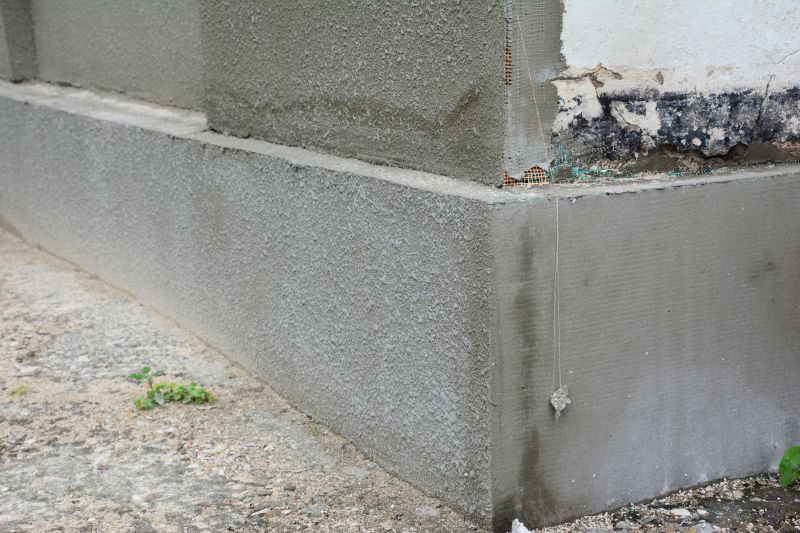 Foundation repairs are a critical aspect of maintaining the structural integrity and safety of a building. When issues such as cracking, settling, or shifting occur, it is essential to select appropriate products that address these concerns effectively. Various repair solutions are available, each designed to target specific foundation problems, whether they involve concrete, masonry, or wood structures. Proper assessment and choosing the right products can help prevent further damage and extend the lifespan of the foundation.
Top Overall Option
Polyurethane Foam Injection System
Polyurethane foam injection systems are versatile and widely used for stabilizing and lifting settled or cracked foundations. They work by filling voids and lifting slabs with expanding foam that is lightweight yet strong. These systems are suitable for a range of foundation issues, including cracks and void filling, and are appreciated for their quick application and minimal invasiveness.
Types of Products For Foundation Repairs
Carbon Fiber Reinforcement Strips
Used to reinforce cracked concrete and prevent further expansion, these strips are bonded to the surface for added strength.
Epoxy Injection Kits
Designed for sealing cracks and restoring the structural integrity of concrete elements, epoxy kits are common for minor to moderate cracks.
Piering Systems
Underpinning solutions that transfer the load of a building to more stable soil or bedrock, ideal for significant settlement issues.
Mudjacking and Slab Jacking Materials
Materials used to lift and level sunken concrete slabs through the injection of a grout mixture beneath the surface.
Helical Piers
Deep foundation piers that are screwed into the ground to stabilize shifting or settling structures.
Steel Push Piers
Heavy-duty piers driven into stable soil to support and lift foundations with substantial settlement.
Polyurethane Foam
Expanding foam used for void filling and lifting slabs with minimal disruption to existing structures.
Grout and Mortar Patching Materials
Used for sealing cracks and restoring surface integrity in concrete foundations.
Drainage and Waterproofing Products
Systems designed to manage water around the foundation, reducing soil erosion and moisture-related issues.
Soil Stabilization Products
Chemical or mechanical solutions to improve soil stability around the foundation area.
Anchor Bolts and Brackets
Hardware used to secure framing and structural elements to the foundation for added stability.
Concrete Crack Repair Kits
Complete kits for sealing and repairing cracks in concrete surfaces.
Foundation Ventilation and Moisture Control
Products aimed at reducing moisture buildup that can contribute to foundation shifting.
Structural Reinforcement Beams
Steel or wood beams used to reinforce compromised structural elements.
Vibration and Pressure Monitoring Devices
Tools for assessing ongoing foundation movement and stability over time.
Hydraulic Jacking Systems
Equipment used to lift and level foundation slabs or walls during repair processes.
Anchor Bolts and Tiebacks
Anchoring solutions for stabilizing bowing or leaning walls.
Drainage Pipe Systems
Installed around the foundation to improve water drainage and reduce soil saturation.
Popular Choices
Commonly used for sealing small to medium cracks, these kits are favored for their ease of use.
A popular choice for raising sunken slabs with minimal excavation required.
Often selected for their strength and capacity to support heavily settled foundations.
Widely used for void filling and slab leveling due to its quick expansion and lightweight properties.
Chosen for strengthening cracked or bowing basement walls.
A common method for leveling uneven concrete surfaces efficiently.
Popular for deep foundation stabilization in shifting soil conditions.
Typically used to prevent water infiltration around the foundation.
Effective for managing water flow and reducing soil erosion near foundations.
Frequently used to stabilize bowing or leaning basement walls.
Commonly installed to reinforce compromised foundation structures.
Popular for sealing surface cracks and preventing water ingress.
Used for ongoing assessment of foundation stability.
Preferred for precise lifting and leveling of foundation elements.
Chosen for improving soil support around foundations.
Effective for reducing excess moisture that can cause shifting.
In Campbellsville, KY, homeowners and contractors often seek reliable foundation repair products that are durable and easy to install. The selection process involves understanding the type of foundation, the extent of the damage, and the environment in which the building exists. From underpinning systems to epoxy injections, the right products can assist in stabilizing and restoring the foundation's stability.
It is important to consider the compatibility of repair products with existing structures and their capacity to withstand local soil and weather conditions. While some solutions are suitable for minor cracks and surface issues, others are designed for more significant structural repairs. Consulting with foundation specialists can help determine the most appropriate products for each unique situation.
Choosing quality foundation repair products not only addresses immediate concerns but also contributes to long-term structural health. Proper installation and the use of proven materials can mitigate future risks and reduce the need for extensive repairs down the line. Whether dealing with residential or commercial properties, investing in the right foundation repair products is a crucial step toward ensuring safety and durability.
Key Buying Considerations
- Assess the type and extent of foundation damage to select appropriate repair products.
- Consider the compatibility of repair materials with existing foundation materials such as concrete, brick, or wood.
- Evaluate the soil conditions and moisture levels in the area to choose suitable stabilization solutions.
- Determine whether the repair requires superficial crack sealing or structural reinforcement.
- Review the load-bearing capacity of the repair products to ensure they meet the demands of your structure.
- Check the ease of installation and whether professional assistance is recommended or required.
- Consider the long-term durability and resistance of materials to environmental factors.
- Verify if the products are suitable for both residential and commercial foundation types.
- Assess the potential for future movement or settlement to select adaptable solutions.
- Review manufacturer instructions and warranties for quality assurance.
- Factor in the accessibility of the repair site and the potential impact on property use during repairs.
- Research local building codes and regulations to ensure compliance with repair methods.
- Consider cost and value, balancing quality with budget constraints.
- Look into customer reviews and expert recommendations for insights on product performance.
- Ensure that the selected products are from reputable suppliers with good support services.